General Dentistry Tips: How to Choose the Best Toothpaste for Your Needs
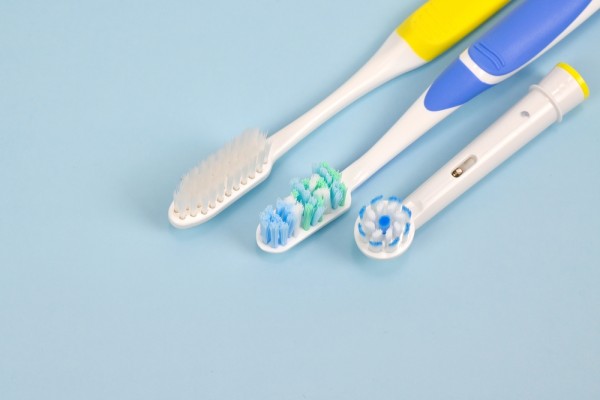
Maintaining a healthy smile through general dentist starts at the bathroom sink, with a simple choice among dozens of toothpastes. While every brand promises a brighter smile or fresher breath, the specific ingredients determine how well the teeth resist cavities and how comfortable the mouth feels. Selecting a product that matches the unique needs of the teeth and gums ensures that the daily brushing routine remains as effective as possible.
The protective power of fluoride
Fluoride remains the most important ingredient for almost everyone who wants to prevent tooth decay and keep enamel strong. This mineral works by hardening the outer surface of the teeth, making them much more resistant to the acids that cause cavities. Regular use helps repair tiny, weak spots before they become larger problems that require a trip to the dental office. In general dentistry, fluoride is the most reliable tool for stopping cavities before they start.
Most standard tubes contain enough fluoride for daily protection, but some people require more if they are prone to frequent cavities. The dentist identifies whether a patient needs a higher concentration based on their specific dental history and lifestyle habits. Using the right amount of fluoride every morning and night keeps the enamel resilient and healthy. This simple step is the foundation of a long-lasting, cavity-free smile.
Calming sensitive teeth
Many people experience a sharp zing when they eat ice cream or drink hot coffee, which often signals a need for a sensitivity-focused toothpaste. These formulas contain ingredients that help block the tiny pathways leading to the nerves inside the tooth. Using this type of paste consistently helps calm those nerves and makes eating and drinking much more pleasant. General dentistry checkups often reveal that sensitivity is a common concern that is easily managed with the right products and a soft-bristle brush.
It is helpful to know that these specialized pastes do not work overnight. Most individuals notice a significant difference after two or three weeks of regular use, as the protective barrier builds. If the sensitivity persists or is localized to a specific tooth, it is a good idea to seek a professional evaluation to rule out a hidden crack or a new cavity.
Supporting healthy gums
While healthy gums are the foundation of a great smile, people may still experience minor bleeding or redness in their morning routine. Toothpastes designed for gum health focus on reducing the bacteria that cause irritation and swelling along the gumline. These formulas help the tissue stay firm and healthy, which is a major goal in general dentistry to prevent more serious oral health issues. Adding a gum-focused paste to a daily flossing routine creates a strong defense against the early signs of gum disease.
While these toothpastes are helpful, they work best when combined with regular professional cleanings to remove hardened buildup. Keeping the gumline clean prevents the tissue from pulling away from the teeth, protecting the roots and keeping the smile stable. If the gums continue to bleed even with a specialized paste, it is a sign that the mouth needs more extensive care.
Call us for more information
Finding the best toothpaste is about matching the ingredients to the current needs of the teeth and gums. Whether the priority is stopping cavities, calming sensitivity, or protecting the gums, the right product makes the daily routine much more effective. For more information or to schedule an appointment, contact Westchester Dental Arts.
Request an appointment here: https://westchesterdentalarts.com or call Westchester Dental Arts at (310) 450-0300 for an appointment in our Los Angeles office.
Check out what others are saying about our dental services on Yelp: General Dentist in Los Angeles, CA.
Related Posts
All-on-X provides full-arch restoration for those with missing or severely damaged teeth. By using strategically placed dental implants, the treatment supports a permanent set of replacement teeth, creating a natural-looking and functional smile. Unlike traditional dentures, All-on-X offers a stable, long-lasting solution that improves the overall health and appearance of your smile.Unlike removable dentures, all-on-X…
A root canal is a standard way to save a tooth from severe damage or infection. However, you may have questions or concerns about the recovery process once you get home and the local anesthetic wears off. Here are five common concerns that patients have after a root canal.Mild to moderate discomfort is a common…
Deep teeth cleaning is a specialized dental procedure that removes plaque and tartar buildup beneath the gumline. It is recommended for patients with early to moderate periodontal disease or those at risk of developing gum infections. Unlike routine cleanings, deep teeth cleanings target bacteria that contribute to gum disease and bone loss. Recognizing the signs…
Modern dental crowns protect a damaged tooth and restore the ability to chew comfortably, but a restoration that sits incorrectly often creates a persistent ache or a strange sensation. A high-quality cover should feel like a natural part of the smile and function without drawing any negative attention to the area. When the opposite occurs,…